

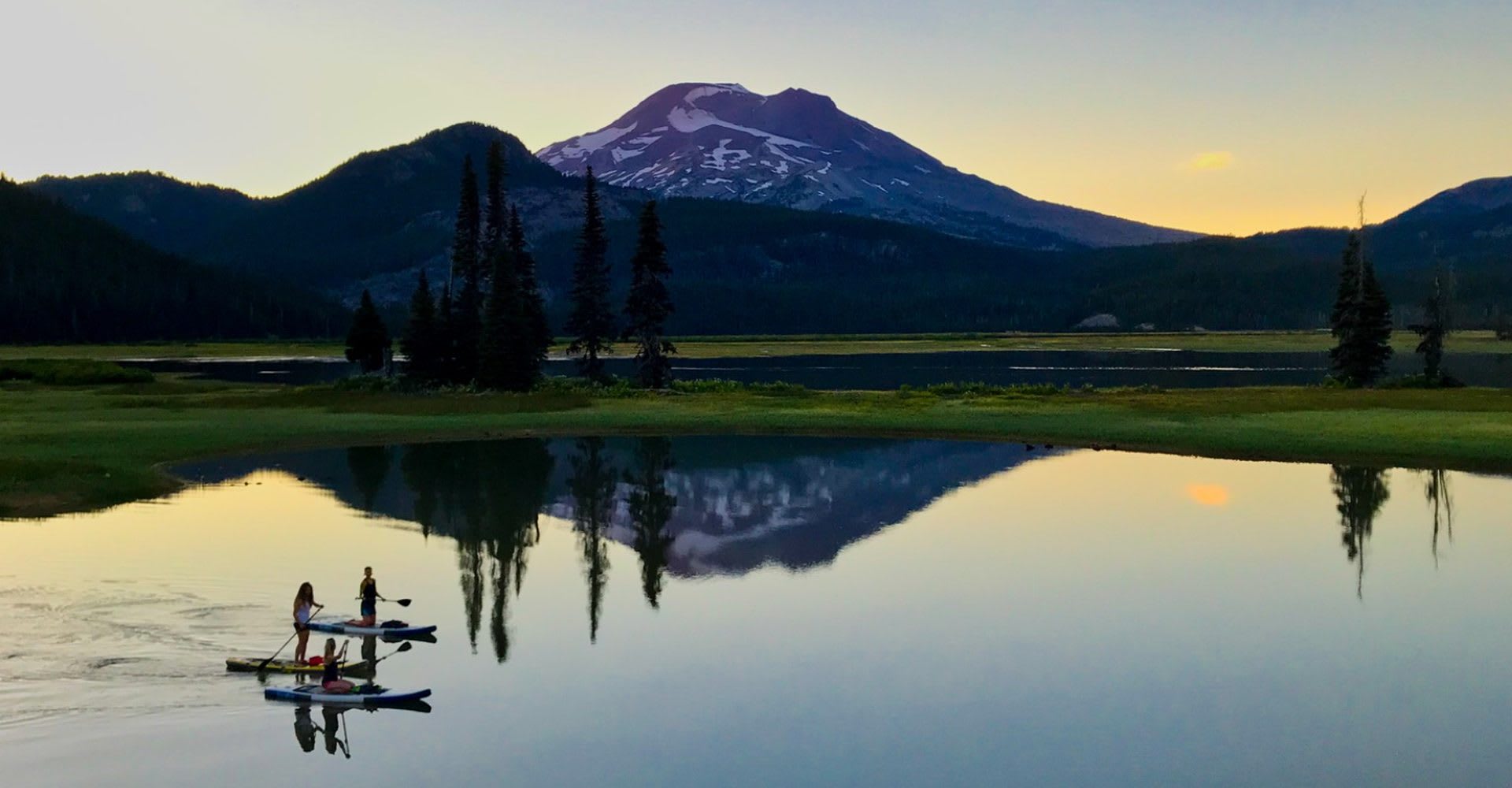
Come for the scenery. Find a home that fits your everyday life.
Maybe it started with a ski weekend. A summer evening by the river. Or a visit that ended with, “We could actually live here.”
Moving to Central Oregon is an exciting possibility. Turning that possibility into a great decision means looking beyond the vacation highlights to the details that shape daily life: your neighborhood, your commute, your home’s upkeep, and how you want to spend your time.
Whether you’re considering Bend, Redmond, Sisters, Tumalo, or another Central Oregon community, here’s where to start.
1. Choose Your Lifestyle Before Your Address
Before you fall for a kitchen or a mountain view, picture an ordinary weekday.
Will you work from home? Travel regularly? Head to the trails after work? Care for horses before your first meeting? Would you rather walk to coffee or enjoy it on a quiet patio overlooking your own acreage?
Your answers can help narrow the search:
Bend: Explore different neighborhoods for their connections to dining, shopping, parks, and recreation.
Redmond: Consider your daily routes, access to the airport, and proximity to downtown and the Dry Canyon trails.
Sisters: Compare living near its distinctive downtown with having more space in the surrounding area.
Tumalo: Explore rural living and acreage while considering how often you’ll travel into town.
Keep an open mind. The community that fits you best might be different from the one where you spent your favorite vacation.
For a closer comparison, read our guide: Bend, Redmond, Sisters, or Tumalo? Find Your Central Oregon Fit.
2. Get to Know the High Desert Climate
Central Oregon has a different climate from the rainy Pacific Northwest many newcomers picture. This is high desert country, with relatively low precipitation, significant temperature swings between day and night, and growing conditions that vary with elevation. Frost can surprise gardeners even during the warmer months.
That climate becomes part of how you live—and how you evaluate a home.
Pay attention to heating and cooling, insulation, window exposure, shade, and outdoor living areas. A sunny deck may be lovely on a cool morning, while covered space can make summer afternoons more comfortable.
If gardening is part of your plan, get to know local growing conditions before recreating the landscape you had somewhere else. A yard designed for Central Oregon can be both beautiful and more practical to maintain.
3. Test the Commute You’ll Actually Make
A map can show you the distance. Driving the route tells you more.
During a scouting visit, travel between prospective neighborhoods and the places you expect to use regularly: work, groceries, appointments, recreation, and the airport. Try those trips at the times you’ll normally make them.
Winter deserves a place in that planning. Snow and ice can change travel conditions, particularly when your route includes mountain passes. Oregon’s TripCheck provides road conditions, cameras, and travel information to help you plan.
For rural properties, ask who maintains the access road, how snow removal is handled, and what the driveway looks like in winter. That long, scenic approach should work for your everyday vehicles and routines, too.
4. Build a Budget Around the Whole Property
The purchase price is one part of the picture. Before choosing a home, understand the expenses that come with owning and maintaining it.
Request property-specific information about:
Property taxes and any association dues.
Homeowners insurance availability and quotes.
Heating, cooling, water, and other utilities.
Landscaping, irrigation, and seasonal maintenance.
Well, septic, or private-road expenses, where applicable.
Repairs or improvements you expect to make after moving.
A larger lot, an extra building, or a beautiful landscape can add useful space—and more work. Decide how much time and money you want to dedicate to the property so you can enjoy the lifestyle you’re moving here for.
5. Expect a Seasonal Home Maintenance Routine
Central Oregon living comes with a seasonal rhythm, and your home will benefit from one, too.
Depending on the property, your checklist may include irrigation winterization, heating-system service, protection for exposed plumbing, snow-removal planning, and a spring irrigation tune-up. Local water-wise landscaping guidance highlights winterization and spring maintenance as important parts of caring for irrigation systems.
During your purchase, ask the seller about the home’s maintenance routine and service providers. Keep equipment manuals, service records, and a simple calendar of recurring tasks.
If the home will sit vacant for part of the year, plan how it will be monitored and maintained while you’re away.
6. Buying Acreage? Look Beyond the View
Acreage can open the door to a different way of living: horses, gardens, workshops, outdoor projects, and space to spread out.
It also deserves a different set of questions.
How much of the land is usable for your plans? How is the home supplied with water? What information is available about the septic system, irrigation, access, and outbuildings? Does the property accommodate your vehicles, equipment, or animals?
Ask your broker to help you identify the records, inspections, and professional input needed to evaluate your intended use. A barn, pasture, or extra building is most valuable when it works for what you want to do.
At LivOregon, our team’s experience with acreage, farms, ranches, and equestrian properties helps buyers look beyond attractive photos to the details that shape daily ownership.
7. Confirm the Services You Depend On
Before committing to a location, check the practical details at the specific address.
If you work remotely, confirm internet service options directly with providers and test cellular reception during your visit. If schools are part of your decision, verify attendance boundaries and enrollment information with the district.
Look into healthcare providers, childcare, veterinary services, or other resources you expect to use. Checking availability early gives you a more complete picture of how the move will work.
The goal is to arrive with a plan for the things that keep your week running smoothly.
8. Visit Like a Resident
Spend part of your next trip doing wonderfully ordinary things.
Go grocery shopping. Drive through a neighborhood in the morning and again in the evening. Visit a park you might use regularly. Find the nearest hardware store. Take the route you’d drive after a long workday.
If possible, visit in more than one season. Central Oregon’s outdoor opportunities extend throughout the year, but your routines and preferences may change with the weather.
Leave time to explore somewhere unexpected. A good scouting trip should help you discover what fits—not simply confirm your first impression.
Frequently Asked Questions About Moving to Central Oregon
Where should I live in Central Oregon?
Start with your daily destinations, budget, preferred property type, and maintenance expectations. Compare communities first, then narrow your search to specific neighborhoods and properties.
Should I rent before buying?
Renting can give you time to learn the area and test your routines. Buying may make sense if you already know where you want to live and find a property that fits your plans. Consider your timeline, moving costs, and available options with your broker.
What should I check before buying a rural property?
Start with water, septic, access, usable land, internet availability, and the condition of buildings and other improvements. Identify any additional research needed for your intended uses before committing.
Can LivOregon help me relocate from out of the area?
Yes. We can help you narrow your search, coordinate showings, understand local property considerations, and connect with resources as you plan your move.
Make Your Move with Local Perspective
A great relocation starts with good questions and people who listen.
LivOregon brings together experienced brokers with knowledge of Central Oregon’s communities and a wide range of property types. We’ll help you connect your wish list to your everyday needs, explore the possibilities, and make a plan that fits.
Thinking about moving to Central Oregon? Connect with our team and tell us what you have in mind.