

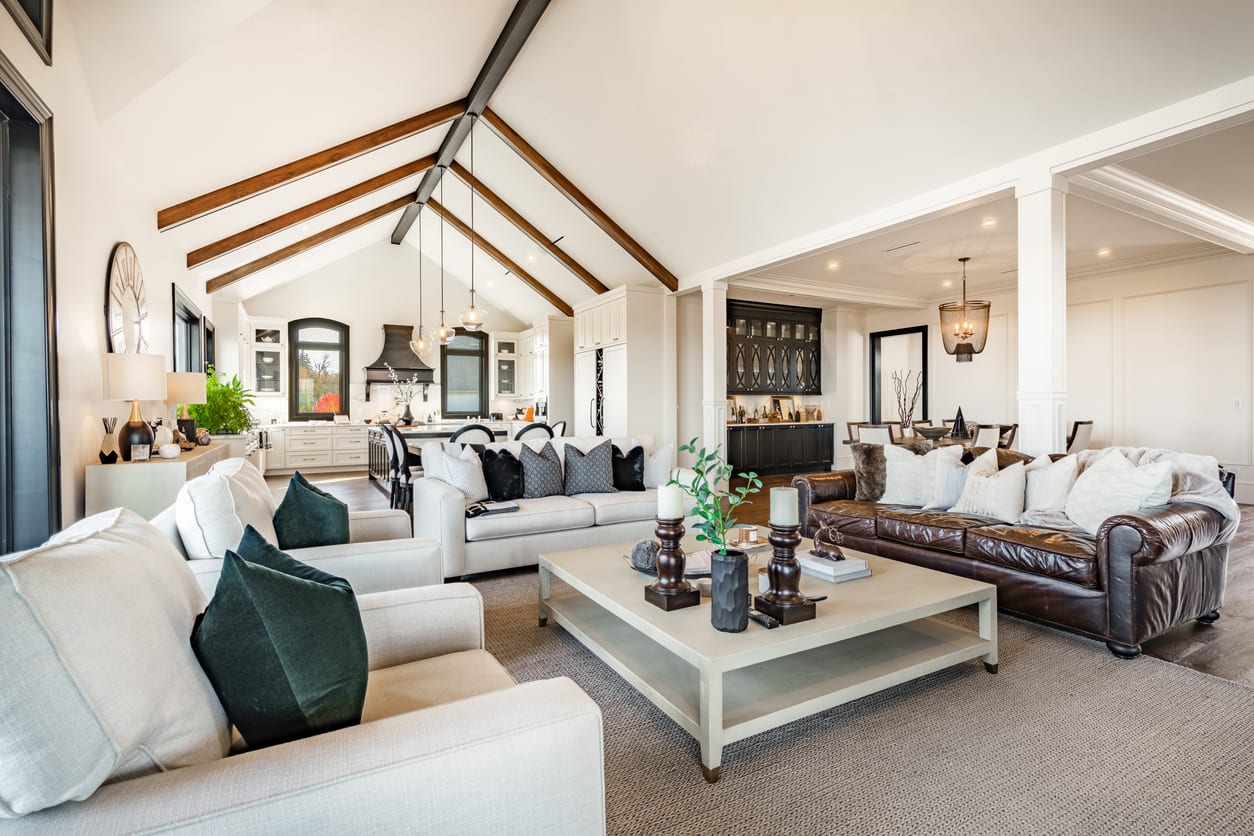
Your home has a story. Finding its market value takes more than an online estimate.
You’ve checked an online estimate. Your neighbor just sold. You’ve made improvements, watched listings, and probably wondered how your own property stacks up.
So, what is your Central Oregon home really worth?
A useful answer comes from comparing recent sales, evaluating your property’s condition and features, and understanding the choices buyers have today. An online number can start the conversation. A thoughtful local analysis helps you decide what to do next.
Whether you own a Bend neighborhood home, a Redmond investment property, a Sisters retreat, or Tumalo acreage, here’s what goes into understanding its value.
1. Start with the Right Comparable Sales
Recent sales show what buyers have actually paid. The key is choosing properties that meaningfully compare to yours.
The closest home—or the one that sold for the highest price—isn’t automatically the best comparison.
A useful comparative market analysis, often called a CMA, considers:
Location and surrounding setting.
Home size, layout, and age.
Condition and quality of improvements.
Lot size and usable land.
Views, privacy, and outdoor living.
Garages, shops, barns, and other structures.
Sale timing and any known concessions.
Imagine two homes with similar square footage on the same street. One has an updated kitchen, a functional layout, and a private backyard. The other needs significant work and backs to a busy road. Their addresses and dimensions may look similar on paper, but buyers are evaluating different experiences.
The takeaway: Strong pricing starts with relevant comparisons and an explanation of the differences.
2. Understand What Online Estimates Can—and Can’t—Tell You
Online home-value tools offer a convenient starting point. They process available information to generate an estimate, but that information may not fully reflect your property.
Zillow, for example, describes its Zestimate as an automated valuation rather than an appraisal and explains that accuracy depends on the available data.
An online model may not fully account for the quality of your renovation, the usefulness of your shop, or the difference between an open mountain panorama and a partial view from one upstairs window.
It may also be working with incomplete or outdated property details.
Use online estimates as a reference point. Then compare them with verified property information, relevant sales, and an in-person assessment.
3. Location Is More Specific Than a ZIP Code
“Bend real estate” covers a wide range of settings. The same is true of Redmond, Sisters, Tumalo, and the communities around them.
Even within one neighborhood, a home’s surroundings can influence buyer interest. Proximity to everyday destinations, street activity, privacy, views, and access all deserve attention.
For rural properties, location also includes practical considerations: the approach to the property, nearby land uses, road conditions, and the distance to services.
A location premium should be supported by comparable sales and buyer behavior. A desirable city name alone doesn’t explain the value of every property within it.
4. Condition Matters—and So Does Function
Buyers notice beautiful finishes. They also notice the roof, the heating system, and whether the floor plan works.
When evaluating your home, consider both presentation and underlying condition:
Are major systems well maintained?
Are there repairs buyers will need to address?
Do updates feel consistent throughout the home?
Is the layout practical?
Does the outdoor space add usable living area?
Are improvements documented where appropriate?
A freshly remodeled bathroom can attract attention, but it won’t erase concerns about significant deferred maintenance elsewhere.
Likewise, improvement costs don’t automatically translate into an equal increase in resale value. The contribution depends on the work, the property, and what buyers are willing to pay for it.
Before starting a major project solely to sell, talk through the likely benefit with your broker. Sometimes targeted preparation makes more sense than a full renovation.
5. Acreage Needs a Closer Look
In Central Oregon, acreage is more than a number on a listing.
Two properties with the same land area can offer very different utility. One may have accessible, usable ground and well-positioned improvements. Another may include steep terrain, awkward access, or land that doesn’t support the buyer’s intended use.
An acreage evaluation may consider:
Usable land and property layout.
Water supply and documented irrigation information.
Access and recorded easements.
Fencing and pasture condition.
Barns, shops, arenas, and equipment storage.
The condition and functionality of improvements.
Information about permitted uses and development limitations.
For an equestrian property, a large barn is only part of the picture. Trailer access, turnout, hay storage, and the way daily chores flow can matter just as much to a prospective buyer.
Those features deserve careful analysis and relevant comparisons—not a blanket price per acre.
6. Look at the Competition Buyers See Today
Closed sales help explain where the market has been. Active listings show what your home will compete against.
Pending listings can offer clues about which properties are attracting offers, although their final prices and concessions may not be available until closing.
A pricing review should consider the homes a buyer might tour alongside yours. How does your property compare in condition, features, location, and asking price? What alternatives become available just above or below your proposed price?
Your broker should also review listing history, price changes, and time on market where relevant.
A home’s value needs to be considered in the market you’re entering—not simply the market that existed when you bought it or when a neighbor sold.
7. Separate Market Value from Your Pricing Strategy
An estimated market-value range and a recommended list price are related, but they serve different purposes.
The value range reflects the evidence. The list price is part of your strategy for entering the market.
That strategy should account for your property’s position, competing listings, your timing, and how buyers search. Starting high “just to see what happens” can mean spending your early marketing period outside the range buyers consider competitive. Pricing lower also does not guarantee multiple offers or a higher final result.
A sound recommendation explains the reasoning, the tradeoffs, and how you’ll evaluate the response after launch.
You deserve more than a number. You deserve to understand the plan behind it.
What to Gather Before a Home-Value Consultation
You don’t need to prepare a presentation. A few useful details can make the discussion more productive:
A list of significant improvements and approximate completion dates.
Available permits, plans, warranties, and service records.
Known repairs or maintenance needs.
Information about association dues or shared maintenance.
Relevant acreage, well, septic, or irrigation documents.
Your preferred selling timeline and next-step goals.
A walkthrough gives your broker the chance to see details that records and listing photos may miss.
Frequently Asked Questions About Central Oregon Home Values
Is my online home estimate accurate?
It may be a useful starting point, but its reliability depends on the information available and how well the model accounts for your property. Compare it with a local analysis before using it to set a listing price.
Is my property tax value the same as my selling value?
Not necessarily. Oregon distinguishes between assessed value and real market value for property-tax purposes, and assessed value may differ from real market value. Tax-roll figures also relate to an assessment date, rather than necessarily reflecting what buyers would pay when you list.
Can I value my home using price per square foot?
Price per square foot can provide context, but it doesn’t fully account for land, condition, layout, views, or additional structures. It works best as one part of a broader comparison.
Is a comparative market analysis the same as an appraisal?
No. A broker’s CMA supports pricing and marketing decisions. A formal appraisal is a separate valuation prepared by an appraiser for a defined purpose, often related to financing.
Will my upgrades increase my home’s value?
They may, but the amount depends on the improvements and the market. Keep records of your work and ask your broker how comparable buyers have valued similar features.
Find Out Where Your Home Stands
Your home deserves a closer look than an automated number can provide.
At LivOregon, we combine local knowledge, relevant market data, and attention to your property’s individual features to help you understand its position. Our team brings experience across neighborhood homes, luxury properties, acreage, farms, and ranches throughout Central Oregon.
Whether you’re ready to sell or simply planning ahead, we’ll help you explore a realistic value range, preparation priorities, and a strategy that fits your goals.
Contact LivOregon for a personalized home-value consultation.