


More space. More possibilities. A few more questions worth asking.
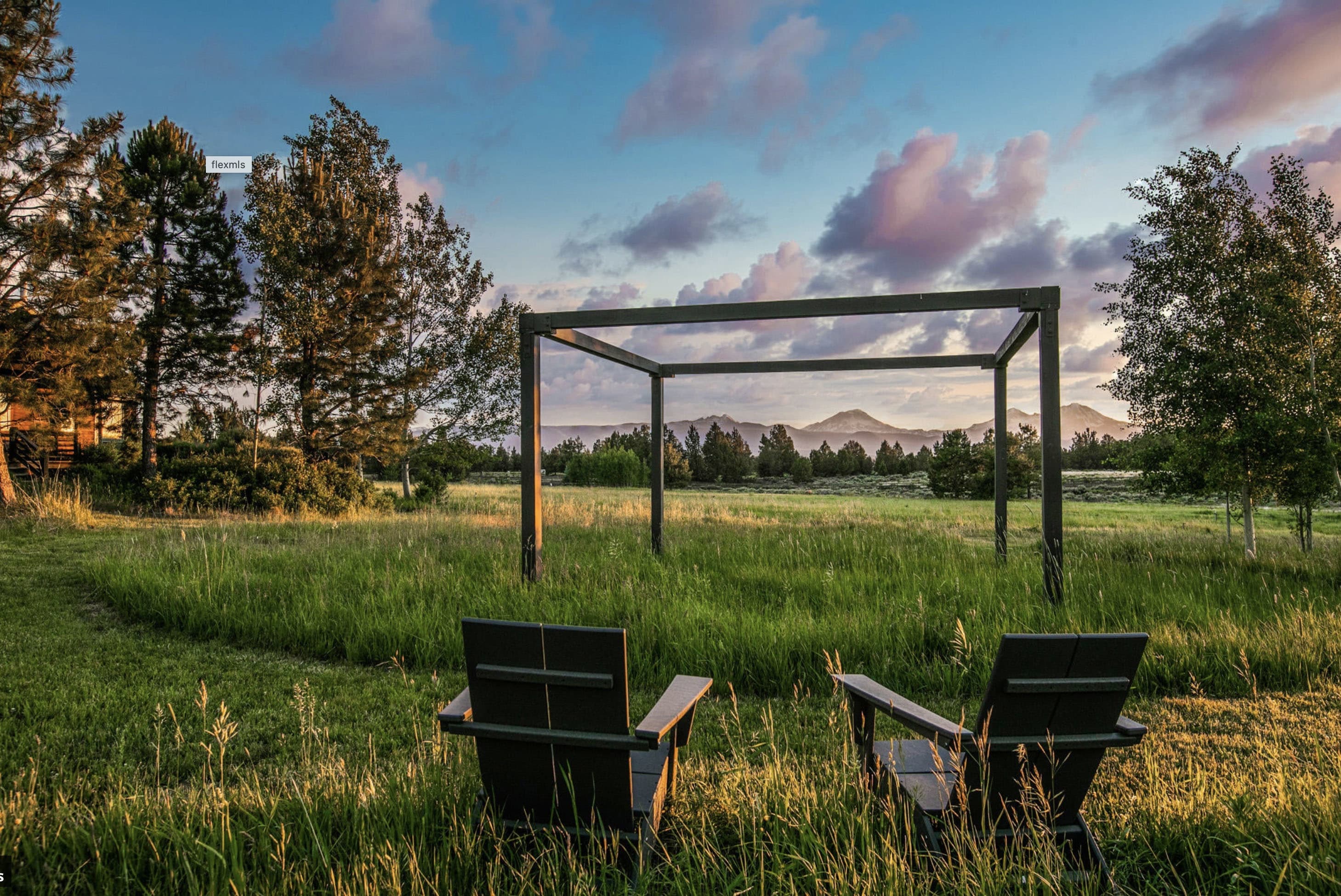
The mountain views catch your attention. The barn gets you thinking. By the time you reach the back pasture, you’ve mentally moved the horses in and picked a spot for the garden.
Buying acreage in Central Oregon can open the door to an incredible lifestyle. But finding the right property means understanding how the land, water, buildings, and access work together.
Whether you’re exploring Tumalo, Bend, Sisters, Powell Butte, Terrebonne, or the surrounding countryside, start with these priorities: usable land, water supply, irrigation, septic, legal access, permitted uses, and ongoing maintenance.
The goal is simple: find a property that supports the life you want to build.
1. Start with What You Want to Do
Before deciding how many acres you need, describe how you intend to use them.
Are you looking for privacy and elbow room? Space for horses? A productive garden? A workshop? A small agricultural operation? Somewhere to park a trailer without performing a twelve-point turn?
Your plans shape the search.
A property that works beautifully for someone seeking a quiet retreat may be impractical for someone managing animals every morning. Likewise, more acreage doesn’t necessarily mean more usable space.
Create a short list of essential functions. That gives your broker a better starting point than acreage alone.
2. Walk the Land, Not Just the House
A listing’s acreage figure tells you the size of the parcel. It doesn’t tell you how the property lives.
Walk the accessible portions of the land and evaluate the terrain, layout, vegetation, and relationship between improvements. Look at where the house, barn, driveway, pastures, and storage areas sit.
Consider:
How much land is practical for your intended use.
Slopes, exposed rock, and areas that may collect water.
The condition and placement of fencing.
Vehicle and equipment access.
Privacy, wind exposure, and shade.
The distance between daily chores and the house.
Don’t assume a fence marks the legal property boundary. Review available surveys and recorded documents, and involve a licensed surveyor when boundaries need clarification.
The useful question is not just “How many acres?” It’s “How do these acres work?”
3. Understand the Domestic Water Supply
Find out how the home receives water. Rural properties may use an individual well, a shared well, or a community water system.
For a private well, request available well records, equipment information, service history, and prior testing. Discuss an appropriate flow test and system evaluation with a qualified well professional.
Water quality and water production answer different questions. A laboratory test evaluates the substances included in the test. A flow test helps assess production under the conditions tested. Neither should be treated as a guarantee of future performance.
Oregon requires testing for arsenic, nitrate, and total coliform bacteria when a property with a domestic well is sold, with results provided to the buyer and Oregon Health Authority under the applicable requirements. Additional testing may be appropriate for the property.
For a shared well, also review the agreement, maintenance responsibilities, cost allocation, and access for repairs.
4. Treat Irrigation as Its Own Investigation
Domestic water and irrigation water deserve separate conversations.
A property advertised as “irrigated” should prompt specific questions about the water right, authorized acreage, delivery system, and equipment. Green grass during a showing is not enough to establish what water use is authorized.
Request information about:
The water source and any serving irrigation district.
The acreage and location authorized for irrigation.
The permitted use and irrigation season.
Assessments, fees, and maintenance obligations.
Delivery arrangements and any known supply limitations.
Pumps, pipes, sprinklers, and other equipment included in the sale.
Oregon water rights can specify where, when, and how water may be used. Changes may require approval, so verify the details with the irrigation district, Oregon Water Resources Department, or a qualified water-rights professional before planning a different use.
Don’t assume a domestic well authorizes irrigation of the entire property, or that existing irrigation can simply be moved to another field.
5. Know What’s Underground: The Septic System
A septic system deserves the same attention as the home’s visible features.
Request the available permit, installation records, system layout, and service history. Arrange an evaluation by a qualified septic professional and understand what the inspection includes. Pumping alone is not the same as a complete condition evaluation.
Identify the tank, drainfield, and any designated replacement area before planning a shop, driveway, arena, or other improvement.
For undeveloped land, Oregon DEQ recommends checking whether the property has been evaluated for septic suitability and obtaining the site evaluation report. Available space alone does not establish that a particular system can be installed.
If your plans include additional bedrooms or another dwelling, discuss septic capacity and approval requirements with the responsible county or agency early.
6. Confirm What You Can Actually Build or Do
A large parcel can inspire a long wish list: a second home, guest quarters, a commercial boarding operation, a bigger shop, or a future land division.
Research those plans before making them part of your purchase decision.
Ask the appropriate county planning department about the parcel’s zoning, overlays, existing approvals, and requirements for your intended use. Review recorded restrictions and association documents, where applicable.
In Deschutes County, property research tools provide zoning and development information, and the planning department offers a point of contact for rural land-use questions. Use the corresponding resources in Crook or Jefferson County when shopping there.
An existing structure does not, by itself, establish that it is approved for residential occupancy. A tax record or listing description also should not replace permit research.
Verify the plans that matter most while you still have time to evaluate your options.
7. Check Access from Both Directions
First, consider the physical approach. Can your everyday vehicle, horse trailer, delivery truck, or emergency equipment reach the property? Look at road width, grades, gates, turnarounds, and seasonal conditions.
Then examine the legal and maintenance arrangements.
Review the title report and relevant recorded documents with the appropriate professionals. Ask about access easements, shared roads, maintenance agreements, and any unresolved questions.
Who handles grading, gravel, and snow removal? How are costs shared? Is there access for utility maintenance?
If a listing mentions nearby public land, confirm where legal public access is located and what uses are allowed. Being next to public land does not automatically provide a route you can use.
8. Evaluate Barns and Shops for Function
Outbuildings can be a major reason to buy acreage. Their usefulness depends on more than square footage.
For a shop, consider doors, ceiling height, power, ventilation, vehicle access, and the work you expect to do. For a barn, think about animal movement, feed storage, water access, drainage, and daily cleaning.
Have appropriate professionals evaluate structural, electrical, plumbing, or other concerns. Review available permit information rather than assuming every improvement has the same approval history.
Also clarify what stays with the property. Portable panels, equipment, irrigation components, and storage structures should be addressed clearly in the purchase agreement.
The best setup is one that works on a cold, busy Tuesday—not just during a sunny showing.
9. Budget for the Whole Property
Acreage ownership includes recurring work and occasional larger expenses.
Depending on the property, your budget may need to account for fencing, irrigation assessments, pump maintenance, septic service, road upkeep, snow removal, vegetation management, and outbuilding repairs.
Request insurance quotes early and describe the property and intended uses accurately. Confirm internet availability at the specific address if reliable service is essential.
Ask the seller what a typical year of maintenance involves. Their experience can help you identify questions, request records, and build a more realistic ownership plan.
10. Give Your Due Diligence Enough Room
Rural property research can involve several professionals and agencies. Your broker can help you identify the questions that need answers and coordinate the process within your contractual deadlines.
Depending on the property, you may need input from inspectors, well and septic contractors, county planners, irrigation district staff, surveyors, or an attorney.
Bring your important plans into the conversation before writing an offer. The more clearly you explain your intended use, the better your team can help you structure the investigation.
Frequently Asked Questions About Buying Central Oregon Acreage
How many acres do I need for horses?
There isn’t one answer for every property. Usable land, turnout design, pasture productivity, water, feeding practices, and local requirements all matter. Evaluate the management plan and site conditions alongside the number of animals.
Does acreage automatically come with irrigation rights?
No. Verify the specific water rights and delivery arrangements. A pond, canal, well, or green pasture does not establish authorization to irrigate every part of a parcel.
Can I build a second home on rural land?
It depends on the property’s zoning, applicable rules, infrastructure, and approvals. Confirm feasibility with the county before relying on a second dwelling as part of your plan.
Is a well test the same as a water-quality test?
No. Production testing and laboratory water-quality testing evaluate different aspects of the water supply. Discuss both with the professionals involved in your purchase.
What should I prioritize when buying acreage?
Start with your intended use, then verify water, septic, access, zoning, boundaries, and the condition of improvements. Those fundamentals help determine whether the property fits your goals.
Find Acreage That Works for You
A beautiful setting is a great beginning. Understanding the property is what helps turn that first impression into a confident decision.
LivOregon brings local knowledge and experience with Central Oregon acreage, farms, ranches, and equestrian properties. We’ll help you look beyond the listing photos, identify the questions that matter, and connect with the resources needed to evaluate your options.
Tell us what you want to do with your next property. Let’s find the space—and the setup—to make it work.